Start with set-back distance and line of sight
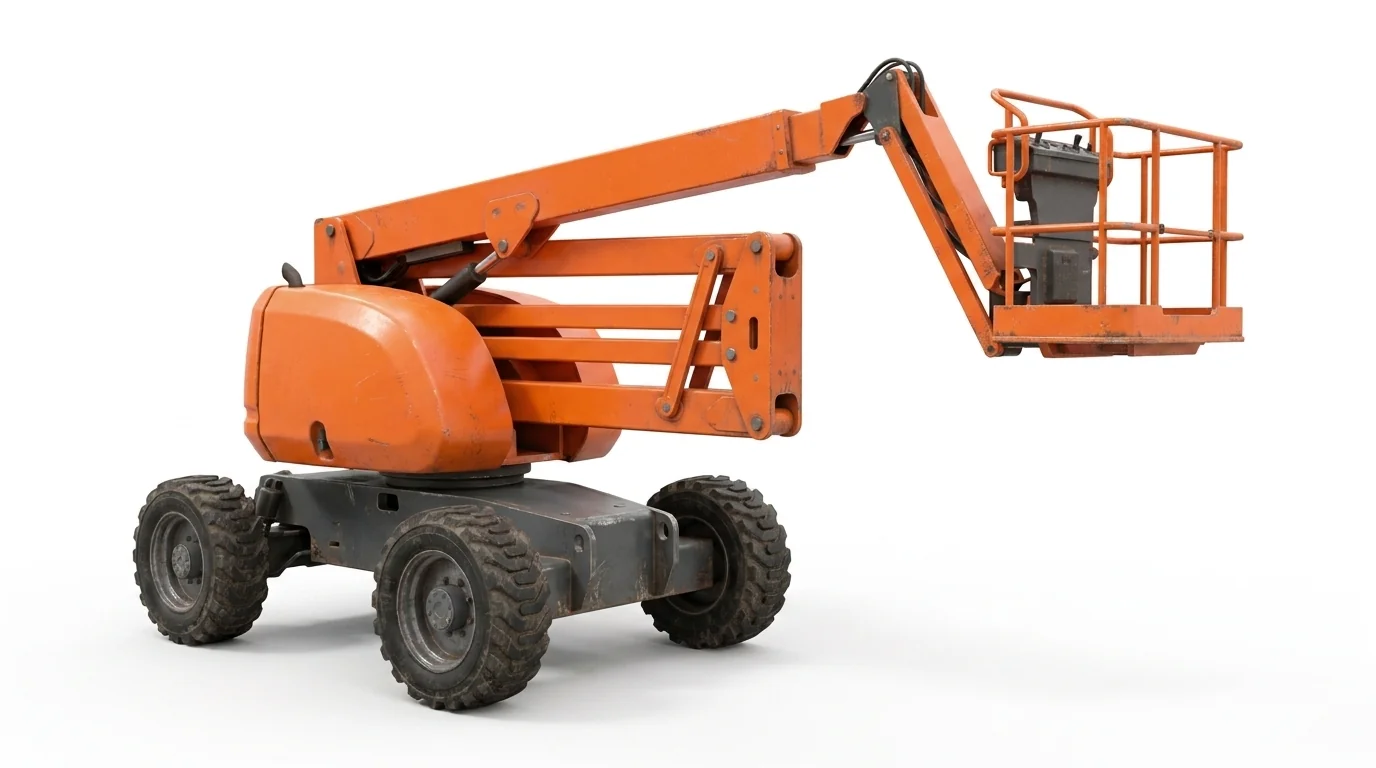
A straight boom assumes the lift can sit on firm ground with an unobstructed path to the target. Confirm: - Horizontal reach to the work face from the planned machine position - Required platform capacity and jib articulation for final positioning - Acceptable tailswing and width for the travel path
In local industrial sites and distribution corridors, clear lanes often exist, making telescopic units efficient for lighting, signage, and façade work. Where preserved structures or tree canopies interrupt access, compare /articulating-boom-lift-rental/.
Surface and weather considerations
Savannah’s coastal climate can leave exterior soils soft after heavy precipitation. Ground firmness, slope, and surface consistency determine whether rough-terrain tires and oscillation are needed. Elevated work must follow the unit’s limitations and site procedures; coastal winds and open exposures can restrict operation.
Height vs. reach trade-offs
Within the same height class, telescopic models can deliver greater horizontal reach than articulating units, but with less ability to work around obstacles. Narrow the choice by: - If you can stage well back from a façade or tank line, favor longer boom sections and a jib for fine control. - If access lanes are tight or interrupted, consider an articulating alternative. - For mixed indoor/outdoor routes, verify transport width, weight, and gate clearances from yard to slab.
Common Savannah use cases
- Exterior envelope work along long elevations at industrial sites
- High-mast lighting and signage where set-back is available
- Tank farms and utility corridors with clear approach lanes
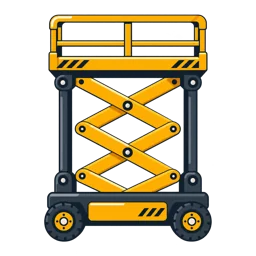
For indoor, slab-focused tasks with frequent repositioning, a /electric-scissor-lift-rental/ can be faster. For up-and-over geometry, see /articulating-boom-lift-rental/.