Match the lift to where the machine can sit
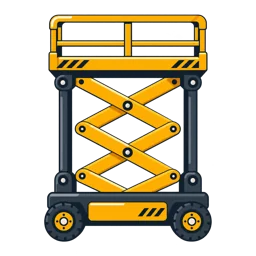
- Directly below the task on a finished slab: consider electric scissor lifts at /electric-scissor-lift-rental/.
- Directly below the task on uneven ground: review /rough-terrain-scissor-lift-rental/.
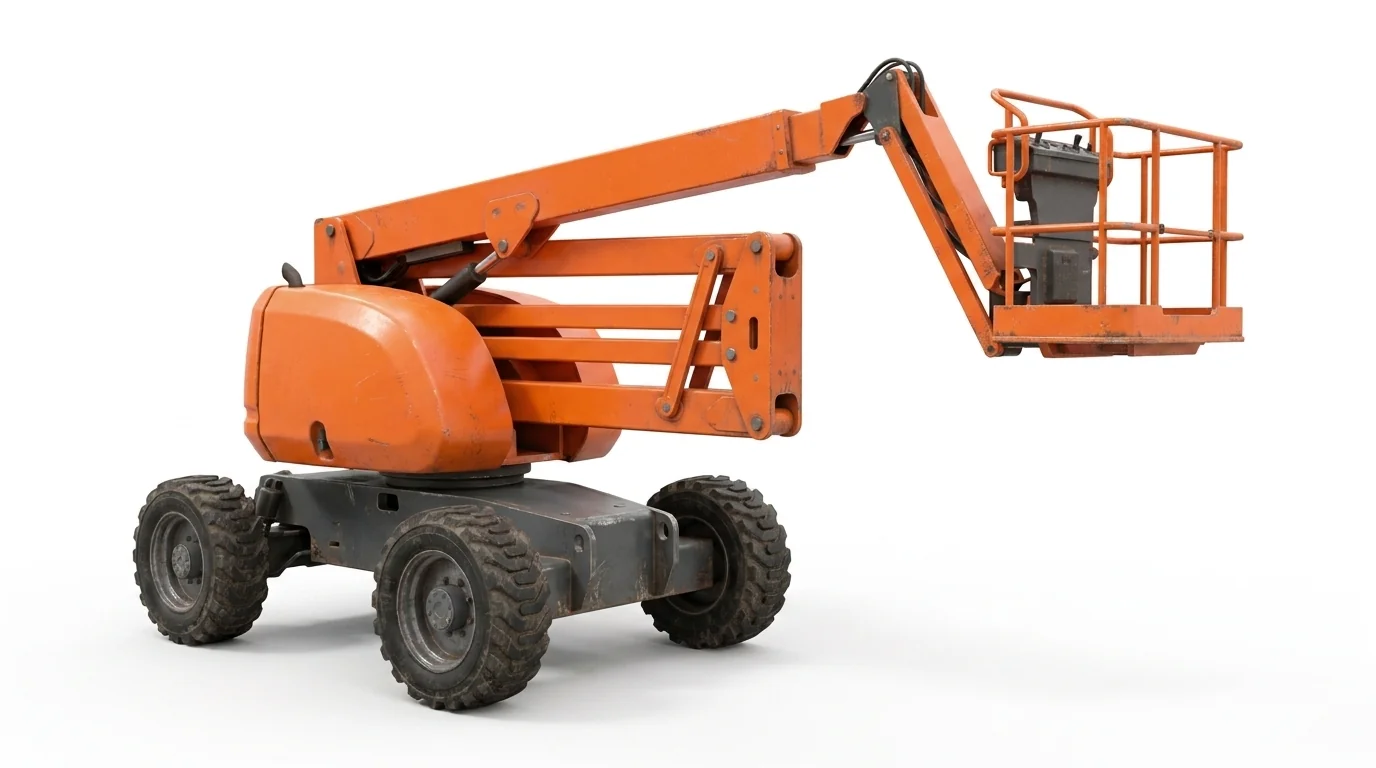
- Set‑backs, trees, porches, or equipment block direct placement: compare booms at /boom-lift-rental/.
Why Savannah conditions matter
Historic blocks introduce tight approaches and protection needs for existing surfaces. Coastal weather creates soft edges at job perimeters. Interior industrial work pushes height and duty cycles inside high‑bay spaces. These contrasts determine tire type, chassis width, and whether outreach is required.
Scissor vs. articulating vs. telescopic
- Scissor lifts: vertical access with larger platforms; best when the chassis can sit under the work.
- Articulating booms: jointed outreach to go up and over façades, canopies, or interior obstacles.
- Telescopic booms: straight outreach for long, clear shots across yards or tall elevations.
Key constraints to measure
- Gate and doorway widths along the access path
- Floor rating vs. machine weight and footprint
- Required working height and horizontal outreach (for booms)
- Turning space around landscaping, utilities, or staging lanes
Actual site conditions, the selected unit’s instructions, and site procedures govern elevated work.
Keep the comparison specific
A useful equipment discussion starts with the work height, the practical machine position, the route into the area, the floor or ground along that route, and the people, tools, or material involved. Those details clarify whether vertical access, outreach, or material placement is the real constraint.