Decide by height, floor, and approach width
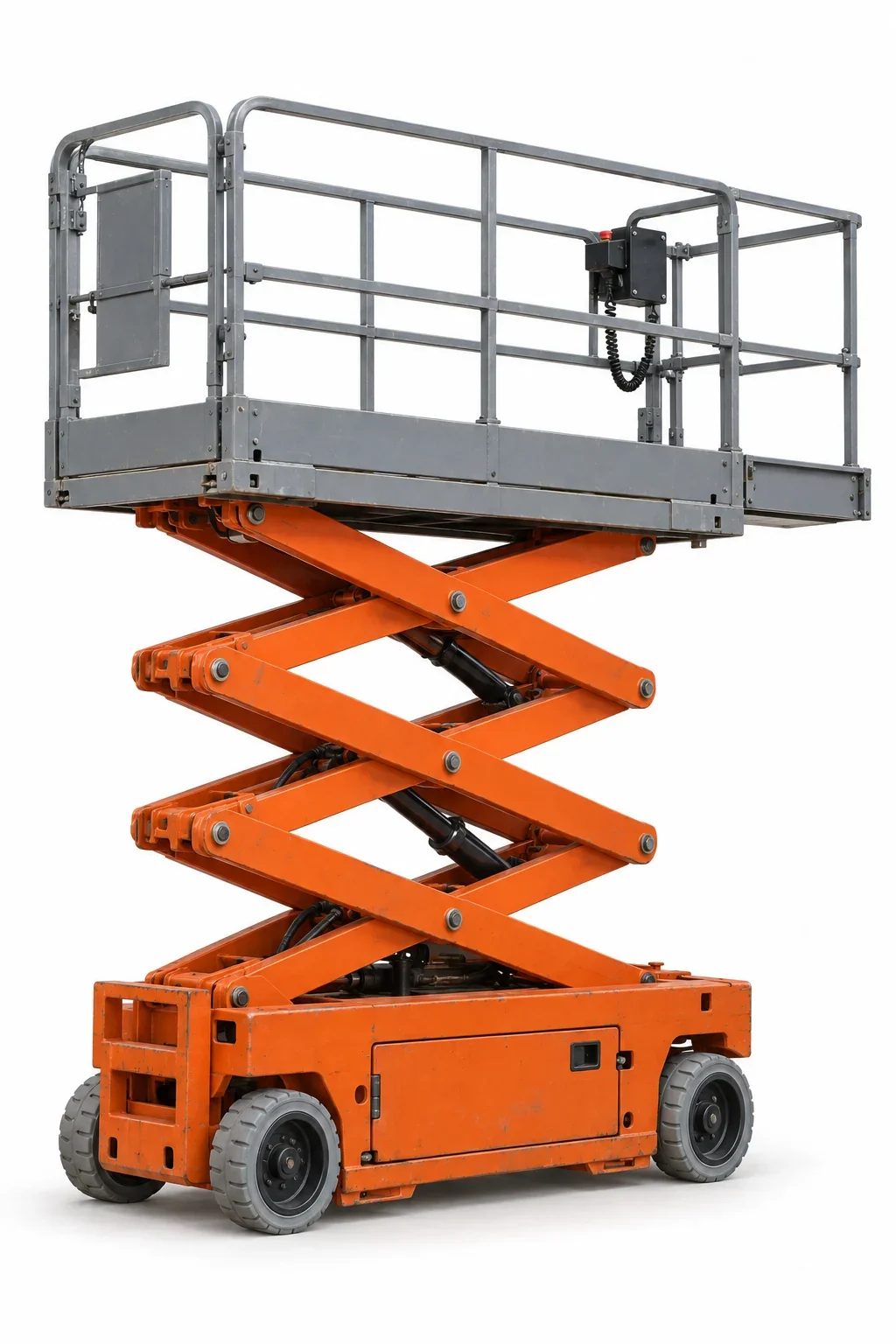
Electric slab scissors go straight up from a small footprint. They work when the machine can sit under the task on a finished surface. Begin with three limits: - Working height target: lighting, fire protection, IT cabling, or signage heights inside commercial spaces. - Floor rating and finish: interior slabs, tile, or historic surfaces may require non‑marking tires and low point loading. - Access path: door frames, corridors, and elevator cabs can dictate platform size and stowed dimensions.
Why Savannah sites push toward compact models
Local distribution buildings demand long runs in narrow aisles with polished floors, while preservation work inside older structures often means constrained doorways and low thresholds. Compact electric scissors reduce contact pressure and fit through tighter routes than outdoor units.
Platform capacity and task layout
Plan for people, tools, and light materials. Larger platforms help with suspended systems in high‑bay spaces, but only if access and floor criteria allow the wider chassis. If ductwork, beams, or balcony overhangs block a vertical approach, a scissor may be ruled out in favor of a boom; compare options at /aerial-lift-rental/.
When a scissor is not ideal
- Exterior staging on soft soil or pavers
- Work that needs outreach over machinery or landscaping In these cases, see /rough-terrain-scissor-lift-rental/ or /boom-lift-rental/.
Actual conditions, the selected unit’s instructions, and site procedures govern interior elevated work.