Choose by obstacle type and required reach
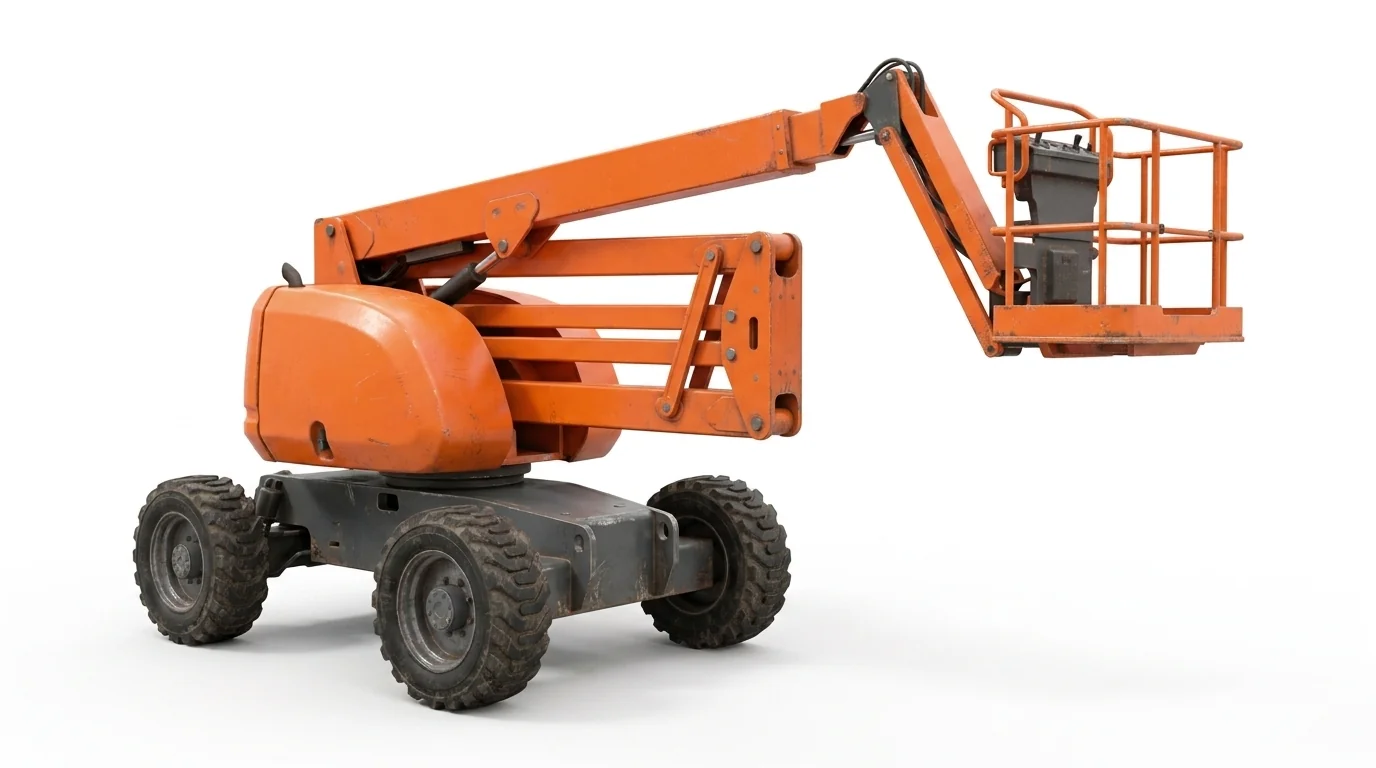
Boom lifts solve placement limits. In Savannah’s preserved streetscapes and coastal sites, trees, porches, setbacks, and utilities often block a straight‑up approach. - Articulating booms: segmented arms reach up and over architectural elements or interior equipment. - Telescopic booms: straight sections deliver maximum horizontal reach across open yards or along long façades.
Local factors that influence boom selection
- Tight approaches near historic structures favor compact articulating units with shorter tailswing and precise positioning.
- Open industrial yards or waterfront staging areas may allow longer telescopic reaches, provided ground conditions support the machine.
- After heavy rain, soft approaches can limit transport and setup; ground bearing and allowable outrigger or tire loading should be confirmed.
Height, outreach, and platform planning
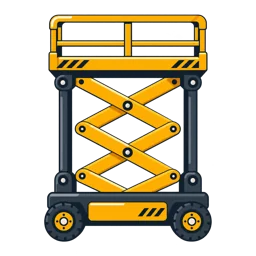
Define the highest work point and horizontal setback from the chassis location. Then consider platform capacity for people and tools, and swing room for the boom. If the machine can sit directly below the task on a finished slab, a scissor lift at /electric-scissor-lift-rental/ may carry more materials within a smaller footprint.
Actual site conditions, the selected unit’s instructions, and site procedures govern elevated work.
Keep the comparison specific
A useful equipment discussion starts with the work height, the practical machine position, the route into the area, the floor or ground along that route, and the people, tools, or material involved. Those details clarify whether vertical access, outreach, or material placement is the real constraint.