Start with the reach path, not just the height
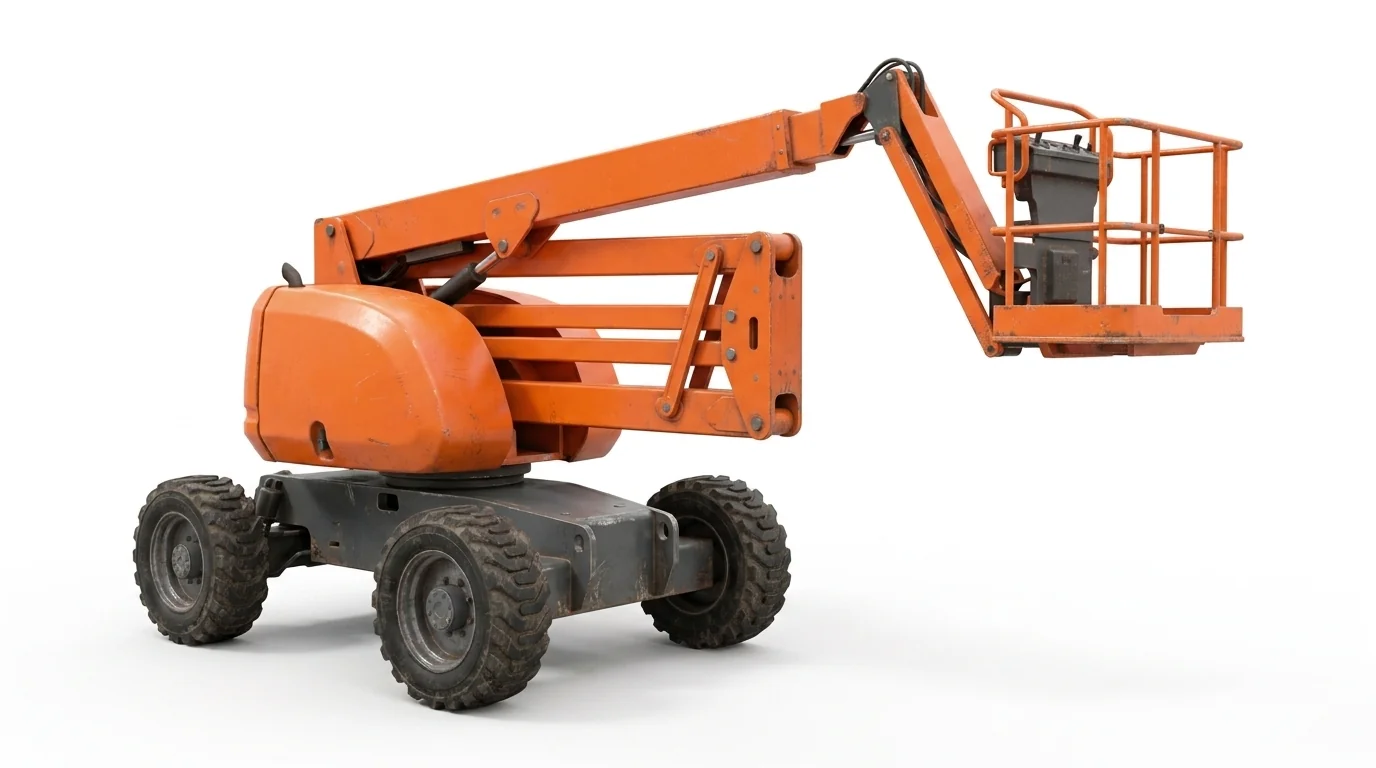
The key question is whether the machine can sit below the task. If not, an articulating boom’s multiple joints create an up-and-over path to clear parapets, trees, utility lines, mezzanines, and warehouse racking. Measure three things: - Horizontal reach from the machine’s chassis to the work face - Up-and-over clearance needed to get past the obstruction - Platform capacity required for tools and materials
In local distribution buildings, aisles and dock lines often block straight approaches. In the Downtown Historic District, preservation rules can limit where ground contact is allowed near façades. Both conditions favor a compact chassis with tight turning and a boom that can “knuckle” into place.
Indoor slab vs. coastal soil
Savannah’s mix of indoor slab work and soft, saturated ground near marshy areas affects the chassis choice: - Slab work: electric or hybrid models with non-marking tires reduce floor impact and emissions. Verify floor loading and door or freight-elevator clearances. - Exterior and mixed surfaces: rough-terrain or oscillating-axle units help on uneven or damp soils. Where soils are particularly soft, lower ground pressure and careful setup planning matter.
Actual conditions, the selected unit’s instructions, and site procedures govern elevated work. Wind exposure along the coast and in open industrial yards can limit allowable operation.
Narrowing the size class
Articulating booms span compact, mid, and high-reach classes. To narrow: - If the obstacle is overhead and close, prioritize up-and-over height and tight inside turning over maximum platform height. - If the task sits back from the edge (e.g., behind a parapet), prioritize horizontal reach with a jib for fine positioning. - If aisles or gates are tight, check stowed width, tailswing, and weight for transport routes.
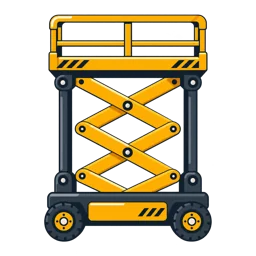
For aisle-level maintenance where a boom is excessive, see /vertical-mast-lift-rental/ or /electric-scissor-lift-rental/. For long, unobstructed exterior reaches, compare /telescopic-boom-lift-rental/.
Common Savannah use cases
- Preservation and façade access where ground bearing spots are limited
- Conveyor, pipe rack, and mezzanine work in industrial sites
- Tree canopies near squares and courtyards that require knuckling around limbs
Coordination and site path
Plan the path from staging to work: gate width, slab transitions, curbs, and any historic paving that restricts loading. In mixed indoor/outdoor routes, anticipate a change from slab to softer soils and verify the machine’s ability to reposition safely.