Start with ground condition and slope
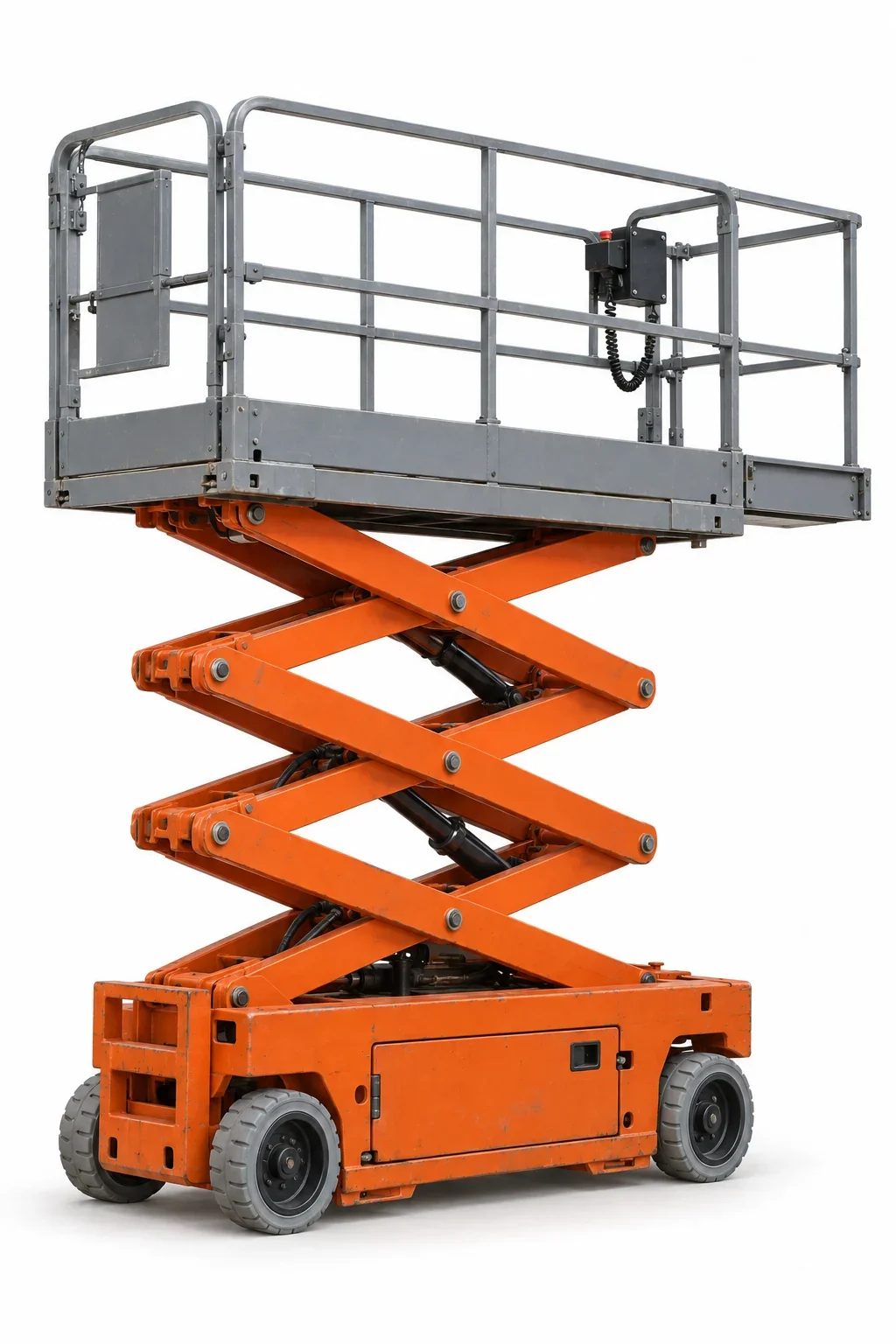
Rough‑terrain scissors still lift straight up; they are chosen for how they travel and level on unfinished surfaces. Savannah’s rain‑soaked periods and marsh‑adjacent areas can create soft spots that disqualify slab units. Evaluate: - Soil firmness and compaction where the machine will drive and sit - Site slope and the need for leveling within the unit’s stated limits - Space to maneuver around landscaping, utilities, and set‑backs
Height, platform size, and materials staging
Exterior façade and signage work often needs wider platforms for two workers and materials. Balance platform width against gates, temporary fencing, and staging lanes. If the task is tall but access is tight, articulating booms at /boom-lift-rental/ may reduce the ground footprint by reaching over obstacles.
When coastal conditions argue for a different lift
- Long reaches over porches, canopy roofs, or vegetation favor booms; see /aerial-lift-rental/.
- Extremely soft or saturated ground may require a different access plan or tracked alternatives outside the scissor category.
Actual site conditions, the selected unit’s instructions, and procedures govern exterior elevated work.
Keep the comparison specific
A useful equipment discussion starts with the work height, the practical machine position, the route into the area, the floor or ground along that route, and the people, tools, or material involved. Those details clarify whether vertical access, outreach, or material placement is the real constraint.