Define the load and the placement first
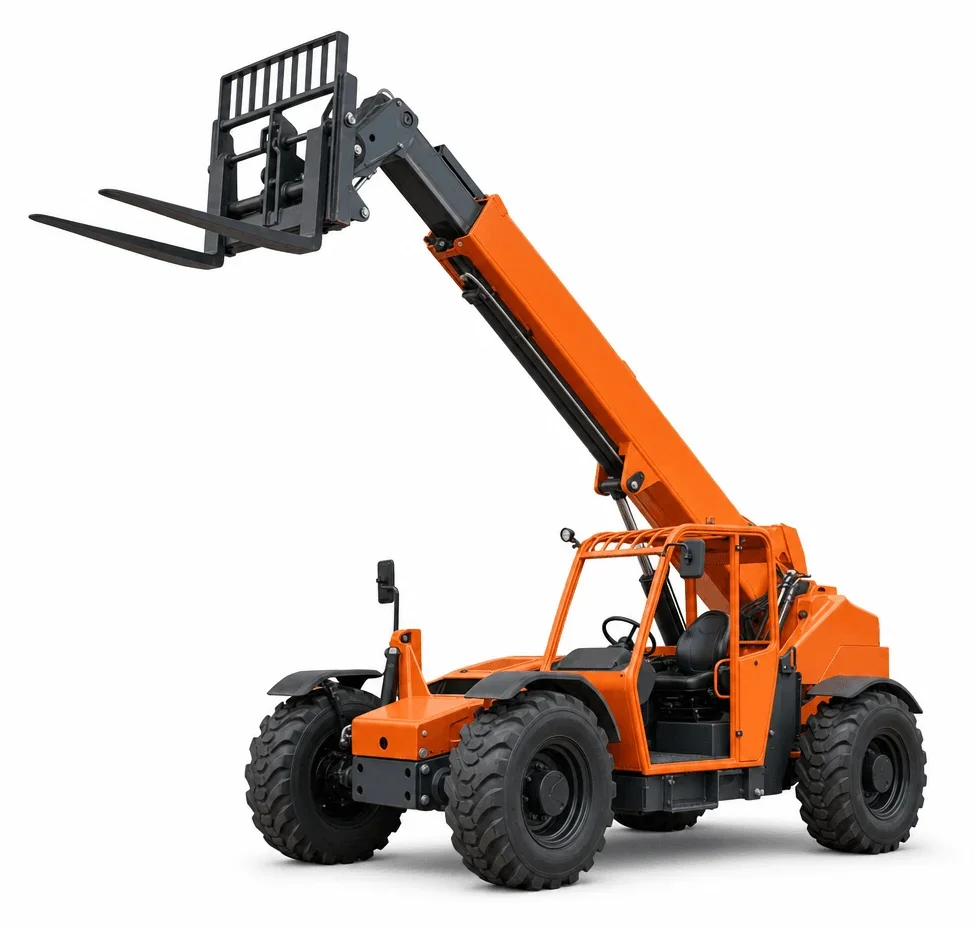
Telehandler sizing starts with three numbers: - Maximum load weight at ground pick - Required placement height - Required placement reach (set-back from machine to landing spot)
Load charts vary sharply with boom extension. A unit that can lift a weight at ground level may not place the same load at height or reach. Balcony drops, roof edges, and elevated platforms common in multi-story preservation or retrofit work often require higher capacity at reach.
Terrain and climate influences
Savannah’s coastal climate can leave jobsites damp, with soft patches near drainage and marshy edges. Rough-terrain capability, frame leveling, and appropriate tires improve mobility over uneven ground. For slab-only logistics inside large buildings, a /forklift-rental/ may be more efficient and maneuverable.
Actual site rules and the machine’s instructions govern lifted work. Wind exposure at open yards and waterfront-adjacent areas may further restrict operation at height.
Carriage, fork length, and approach
The landing zone dictates fork length and carriage type. Tight drop zones under eaves or within preservation-sensitive areas may need precise approach angles and smaller chassis. Verify: - Gate and lane widths from staging to set point - Turning radius around stored materials and temporary fencing - Ground bearing at staging pads and travel paths
Common Savannah use patterns
- Roof deck and balcony deliveries on mixed soil jobsites
- Material staging for exterior envelope work where slab access is limited
- Setting mechanical units on platforms set back from the edge
When vertical access for people is the focus rather than material placement, compare /boom-lift-rental/ or /articulating-boom-lift-rental/.